Zalmai and Rasheed's father-son relationship
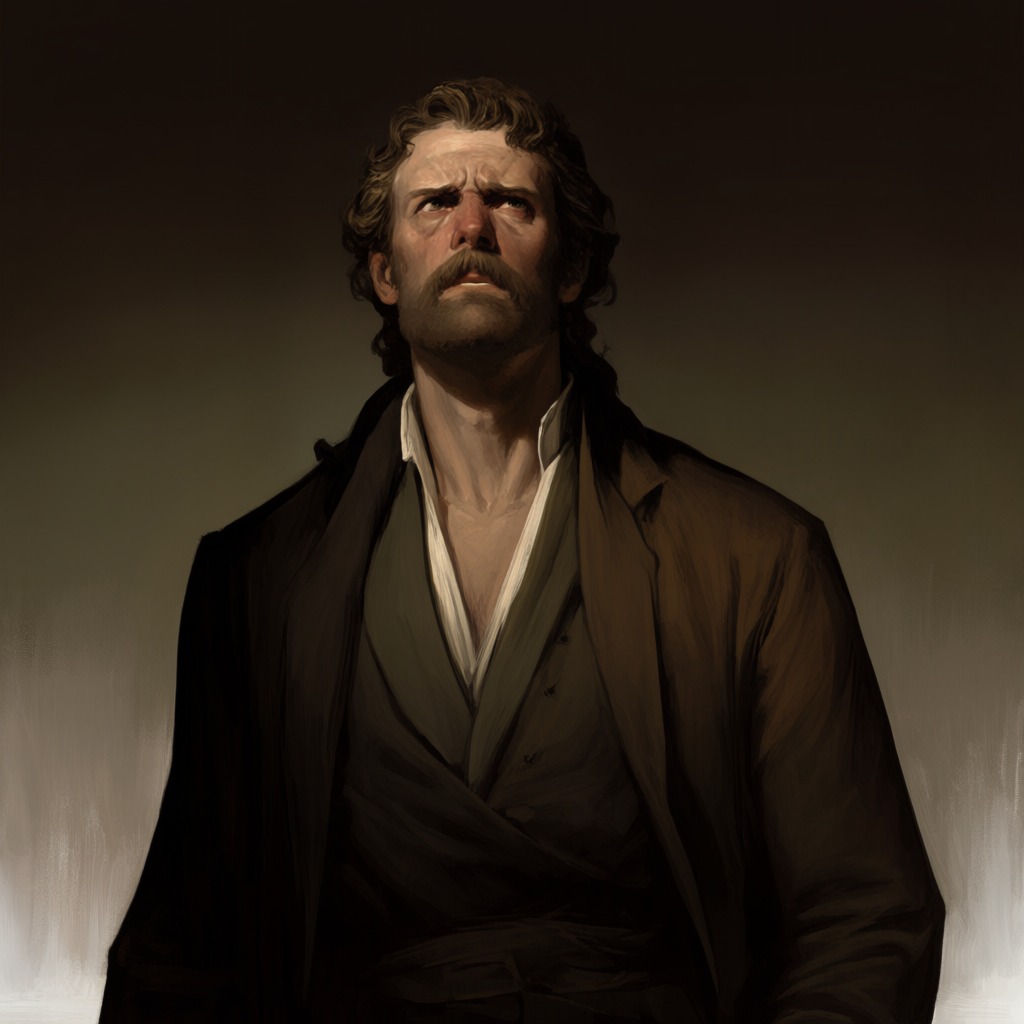
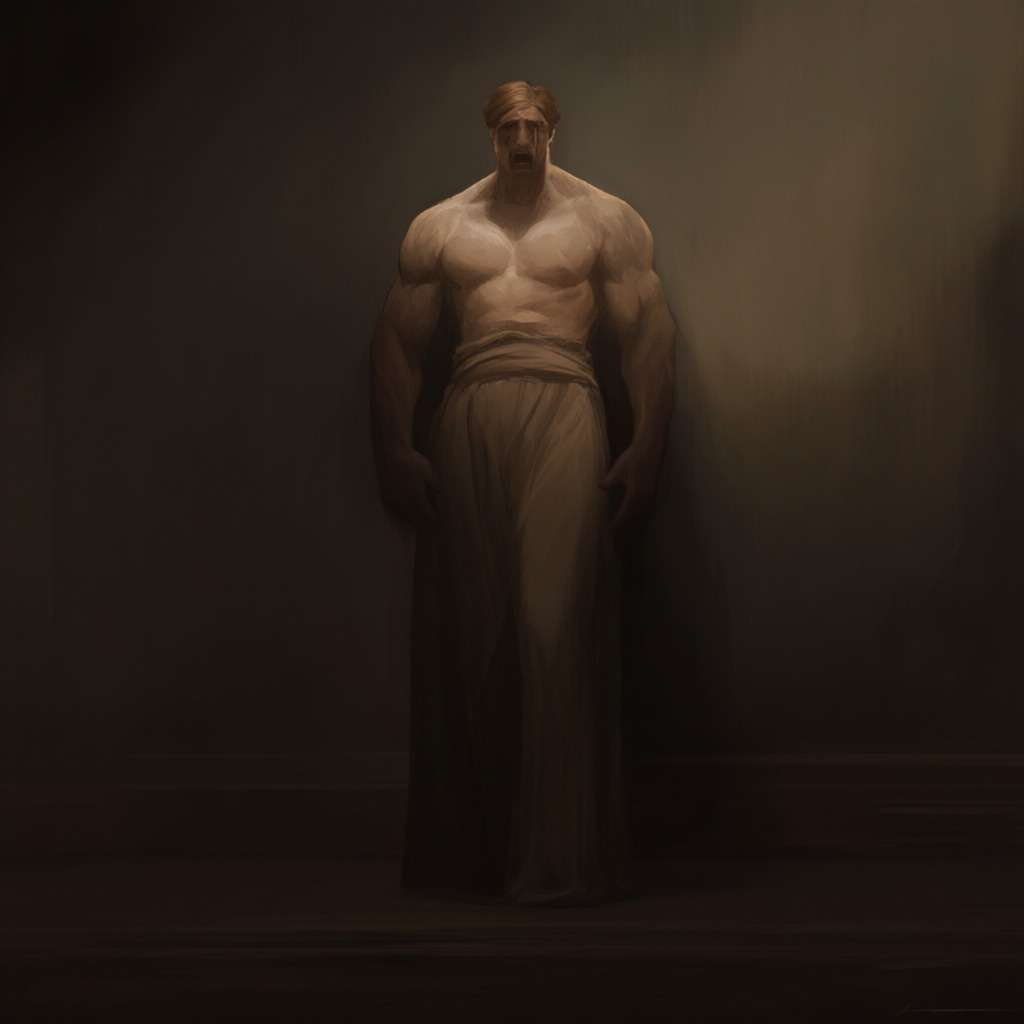
Zalmai and Rasheed's father-son relationship is the most intense and consequential bond in the household, a closed circuit of adoration and mutual dependence that excludes everyone else. From Zalmai's birth, Rasheed pours into him all the hope and pride he had denied his daughters, and Zalmai responds with a worshipful loyalty that makes him, in his father's presence, a different child—defiant, possessive, and quick to side with Rasheed against his mother. This relationship becomes the emotional engine of the family's dysfunction, the lens through which Rasheed's cruelty is both indulged and, in Zalmai's eyes, justified, and the source of the deepest wound when it is shattered by Mariam's act of violence.
Identity and the Birth of a Bond
Zalmai is born into a household already shaped by loss and resentment. Rasheed, who had long ago given up on Mariam and who married Laila under false pretenses, sees in his son the male heir he had craved for decades. From the moment of Zalmai's birth, Rasheed's attention shifts entirely. He buys the boy a new crib with painted lions and leopards, a battery-operated mobile with bumblebees and a sunflower, and new clothes and toys even when the family cannot afford them and Aziza's old ones are still serviceable. When Laila questions the expense, Rasheed dismisses her: "I have friends I can borrow from." He takes Zalmai to his shoe shop every day, letting the boy crawl under the workbench and play with scraps of leather, and he watches over him with a patience that never runs dry. Zalmai, in turn, becomes his father's shadow. He sits beside Rasheed at dinner, where they play private games, poking each other, giggling, whispering things the others cannot hear. If Laila speaks to them, Rasheed looks up with displeasure at the intrusion; if she asks to hold Zalmai, or if Zalmai reaches for her, Rasheed glowers. The bond is a fortress, and Laila is locked outside.
The Dynamic of Devotion and Exclusion
Zalmai's personality splits along the axis of his father's presence. When he is alone with Laila, he is sweet, good-humored, and playful—he likes to climb her shoulders, play hide-and-seek, and have her sing "Mullah Mohammad Jan" to him. He plants moist kisses on her cheeks and falls asleep with one hand clutching her ear. But when Rasheed is home, Zalmai is transformed. He becomes quick with a defiant cackle or an impudent grin, easily offended, and persistent in mischief despite Laila's scolding. Rasheed approves of all of it, calling it "a sign of intelligence." He says the same of Zalmai's recklessness—when he swallows marbles, lights matches, or chews on Rasheed's cigarettes. The father's approval is the currency of Zalmai's world, and he spends it freely in ways that diminish his mother. When Rasheed asks Zalmai if Laila was talking to Tariq downstairs, Zalmai hesitates, then tells the truth, and the confession triggers a violent confrontation. Laila sees the hesitation and uncertainty in his eyes, as if he has just realized that what he disclosed was far bigger than he thought, but the damage is done. Zalmai has been made an instrument of his father's suspicion.
The Breaking Point and Its Aftermath
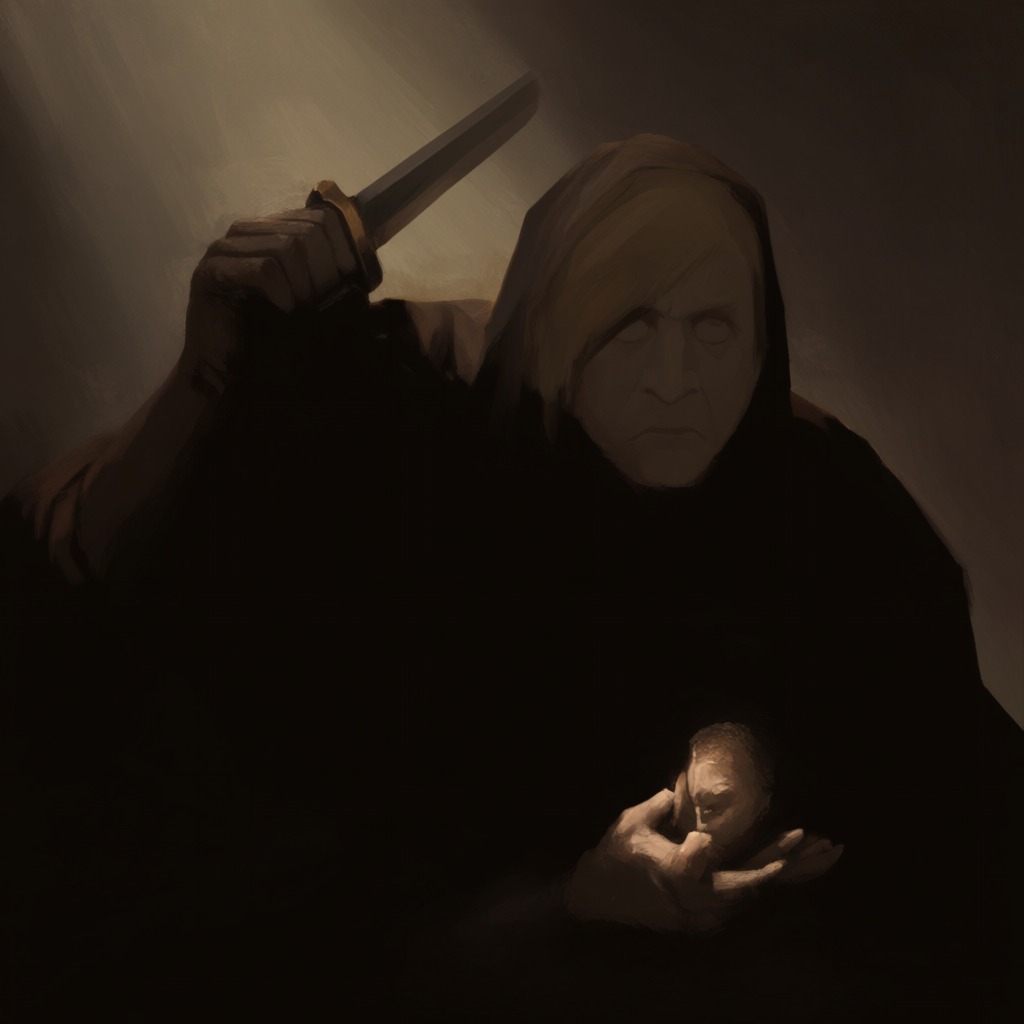
The relationship is shattered by Mariam's killing of Rasheed. In the immediate aftermath, Laila finds Zalmai curled up on Rasheed's side of the mattress. He asks where his father is, and Laila tells him that "Baba jan has gone away." Zalmai's response is a question that cuts to the heart of his guilt: "Did Baba jan leave because of me? Because of what I said, about you and the man downstairs?" Laila tries to reassure him, but he is already asleep. The lie will have to be told again and again—when Zalmai hops down from a swing, wakes from an afternoon nap, and later, when he is old enough to tie his own shoes. Laila knows that one day the questions will dry up, that Zalmai will cease wondering why his father abandoned him, and that his father's disappearance will become something soft-edged and indolent, like a lore. But in the immediate aftermath, the grief is raw. Mariam, who killed Rasheed, understands this better than anyone. She tells Laila that she cannot run because she has deprived Zalmai of his father: "I'll never escape your son's grief. How do I look at him? How do I ever bring myself to look at him, Laila jo?" When Mariam says good-bye to Zalmai, she cups his face and says, "I am so sorry, Zalmai jo. Believe me that I'm so very sorry for all your pain and sadness." He pulls back, but she holds on.
The Long Shadow
In Murree, after the escape, Zalmai's grief takes the form of active hostility toward Tariq. He refuses Tariq's gifts—a rocking horse, a wagon, paper animals—and screams, "You're not my Baba jan! My real Baba jan is away on a trip, and when he gets back he's going to beat you up! And you won't be able to run away, because he has two legs and you only have one!" Tariq absorbs the abuse without complaint, saying, "Let him." But the wound is deep. At night, Laila holds Zalmai against her chest and recites the Babaloo prayers with him, the same ritual his father used to perform. She knows that the shameful lie will have to be told again and again, and that one day Zalmai will stop asking. Slowly, he begins to accept Tariq—on the day they leave Murree, Zalmai cries when the taxi pulls away, and Laila sees that he is reaching for Tariq, not for her. It both eases and breaks her heart. The bond with Rasheed, for all its intensity, is finally loosening, but the cost of that loosening is the loss of the father Zalmai adored.
Thematic Significance
The relationship between Zalmai and Rasheed is a microcosm of the novel's exploration of love, loyalty, and violence. Rasheed's love for his son is genuine but possessive and destructive; it is a love that demands total allegiance and punishes any deviation. Zalmai's devotion to his father is innocent but weaponized, turned against the women who care for him. The bond is a trap for both of them: Rasheed's need for a son who mirrors his own values leads him to cultivate Zalmai's worst impulses, and Zalmai's need for his father's approval makes him complicit in the family's misery. When the bond is broken by Mariam's act of self-defense, the grief is not just for a lost father but for a lost world—a world in which Zalmai was the cherished son of a powerful man, and in which his love was returned without reservation. The novel does not offer easy resolution; Zalmai's healing is slow and uncertain, and the shadow of Rasheed's love lingers long after his death.